

Using GM to create healthier food
Published: Thursday | November 19, 2009
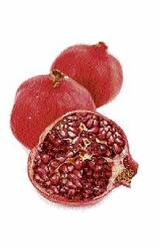
Antioxidants for your health
An antioxidant is a molecule capable of slowing or preventing the oxidation of other molecules. Oxidation is a chemical reaction that transfers electrons from a substance to an oxidising agent. Oxidation reactions can produce free radicals, which start chain reactions that damage cells. Antioxidants terminate these chain reactions by removing free radical intermediates, and inhibit other oxidation reactions by being oxidised themselves. As a result, antioxidants are often reducing agents such as thiols, ascorbic acid or polyphenols.
Although oxidation reactions are crucial for life, they can also be damaging; hence, plants and animals maintain complex systems of multiple types of antioxidants, such as glutathione, vitamin C, and vitamin E as well as enzymes such as catalase, superoxide dismutase and various peroxidases, low levels of these may lead to damage and death of cells in the body.
These oxidants can damage cells by starting chemical chain reactions such as lipid peroxidation, or by oxidising DNA or proteins. Damage to DNA can cause mutations which eventually lead to disease, and DNA mutations can be inherited by children as well. Damage to proteins causes enzyme inhibition, and enzymes in the body are responsible for everything from digestion to hormone production.
People who eat fruits and vegetables, which happen to be good sources of antioxidants, have a lower risk of heart disease and some neurological diseases, and there is evidence that some types of vegetables, and fruits in general, protect against a number of cancers.
Antioxidants in Food
Antioxidants are found is different levels for different types of food and vegetables, and are also manufactured into supplements for consumption. However, what if it were possible to merge the two, by creating fruits and vegetables with increased levels of antioxidant content. Instead of actually artificially producing chemicals, by trying to replicate its structure, harness the power of nature and give it a boost. The table shows the list of foods and the antioxidant content of each food source, berries and darker fruits are at the top of the list. It has twice the antioxidant content of an orange, and more than tree times as much as the pineapple. However, they grow in only cold weather conditions and are fragile for transportation, but the pineapple, a more sturdy and prevalent fruit in tropical conditions could be modified to produce the same amount of antioxidant content as berries by increasing its production of bio-flavenoids. How would it be to produce a watermelon that is purple that carries a strain of the blackberry that is more nutritional and easily grown and accessible to everyone?
With the regulatory framework in development and research still ongoing, it is essential that there is an appreciation for the potential of this science. While the world's population is growing faster than nature can evolve and adapt, science needs to step in and play a role in creating a sustainable future - and this is one way of trying to ensure that is possible.
Food sources containing high levels of antioxidant activity
Antioxidant Food Sources Antioxidant Content/Activity.
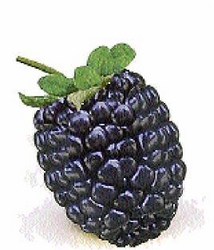
| Blackberry | 51.53 |
| Redcurrant | 44.86 |
| Raspberry | 43.03 |
| Olive (black) | 39.99 |
| Strawberry (wild) | 28.00 |
| Olive (green) | 24.59 |
| Strawberry (cultivated) | 22.74 |
| Orange | 20.50 |
| Blueberry | 18.61 |
| Pineapple | 15.73 |
| Plum (red) | 12.79 |
| Grape (black) | 11.09 |
| Grapefruit (yellow) | 10.20 |
| Tangerine | 9.60 |
| Clementine | 8.88 |
| Cherry | 8.10 |
| Kiwi fruit | 7.41 |
| Prickly pear | 6.97 |
| Peach (yellow) | 6.57 |
| Fig | 5.82 |
| Melon (cantaloupe) | 5.73 |
| Pear | 5.00 |
| Apricot | 4.02 |
| Apple (red Delicious) | 3.84 |
| Grape (white) | 3.25 |
| Apple (yellow Golden) | 3.23 |
| Loquat | 2.70 |
| Banana | 2.28 |
| Melon (honeydew) | 2.27 |
| Watermelon | 1.13
Site comments powered by Disqus
The opinions on this page do not necessarily reflect the views of The Gleaner. The Gleaner reserves the right not to publish comments that may be deemed libelous, derogatory or indecent.
To respond to The Gleaner please use the feedback form.
|
