
'We are doing all we can: 'Church says while it isn't as visible as it would like, it is working to right the ills of society
Published: Saturday | December 26, 2009
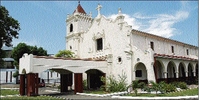
Holy Cross Church - File photos
The church is poised to ramp up its efforts at helping Jamaica fight social problems in the coming year.
It's involvement in addressing the problems affecting people's lives pre-dates even Jamaica's independence, yet crime continues to spiral out of control. That, along with poverty and the increased instances of corruption, are serious concerns for the Church.
General Secretary of the Jamaica Council of Churches, Gary Harriott, said despite the statistics - Jamaica has, for the first time in its history, recorded more than 1,650 murders, making this the bloodiest year ever - the church has done a lot to address problems in the country.
"Sometimes people don't know what the church is doing because it doesn't get a lot of publicity, but it is doing several things to ease the problems," said Harriott.
He added that the church was involved in anti-corruption programmes, and was looking forward to rolling out new solutions next year.
Harriott noted that, as part of the prophetic voice of the institution in addressing corruption, the church also has plans to build awareness programmes as well as to speak to issues when they are noticeable.
The Jamaica Council of Churches' general secretary said his organisation and, by extension, the Church, intended to network with other organisations such as the violence prevention alliance to find other ways of trying to stem the nation's growing problems.
Recently, the church umbrella groups, in partnership with several organisations, sponsored a children-at-risk conference focusing on issues that affect the lives of the country's most vulnerable, Harriott said.
"Out of that, we have done a draft covenant inviting churches to place children's issues at the priority in the ministry," said Harriott.
"We are hoping that we will now put in place some particular action plans that we can embark on as a way to respond to children at risk."
The church has several outreach programmes to assist the needy but Harriott said there were plans to do more.
"We are aiming at bringing together some people with different types of resources to see how the church can do more with the help of these people, especially in this time of recession," he added.
more unified
According to Harriott, the church today is more unified than before and will be more of a force to reckon with because of it.
Lecturer at the United Theologi-cal College, Rev Dr Glenroy Laylor, said the church was effective at outreach programmes aimed at developing and empowering communities.Nadisha Hunter, Gleaner Writer
"It (the church) is involved in a myriad of social programmes and counselling sessions through crisis intervention, just trying to empower persons in various places. The church continues to play an important role in society," said Reverend Laylor.
He said the church understood its role in society. That understanding, he said, is evidenced by the various programmes it puts together in an effort to help persons break out of the cycle of poverty. That cycle, Laylor explained, was the root of other social problems in society.
The reverend was quick to point out that with corruption on the increase, the church has continued, through the word of God, to encourage persons to stay away from things that are not pleasing in the Lord's sight.
'work in progress'
He said addressing the issues was a work in progress and, next year, the Church would redouble its efforts to get persons to conform to the way of God.
Bishop Herro Blair, president of Deliverance Evangelistic Association, said no other organisation has done more to help rid the society of crime in the country than the church.
"The church worked in most of the inner-city areas ... and by being identified with society, the church helped to eradicate crime and violence," Blair declared.
"In my opinion successfully so, as if it wasn't for the influence of the church probably the State would have failed already."
Blair said, while the church had done much, it had limited resources but that it still continued to conduct social and educational programmes in communities.
The Bishop vowed that the new year would find the church renewing its efforts to assist the government in the fight against social problems.
nadisha.hunter@gleanerjm.com
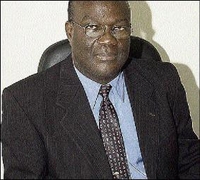
Blair
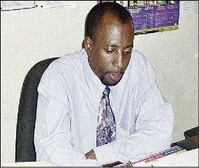
Harriott